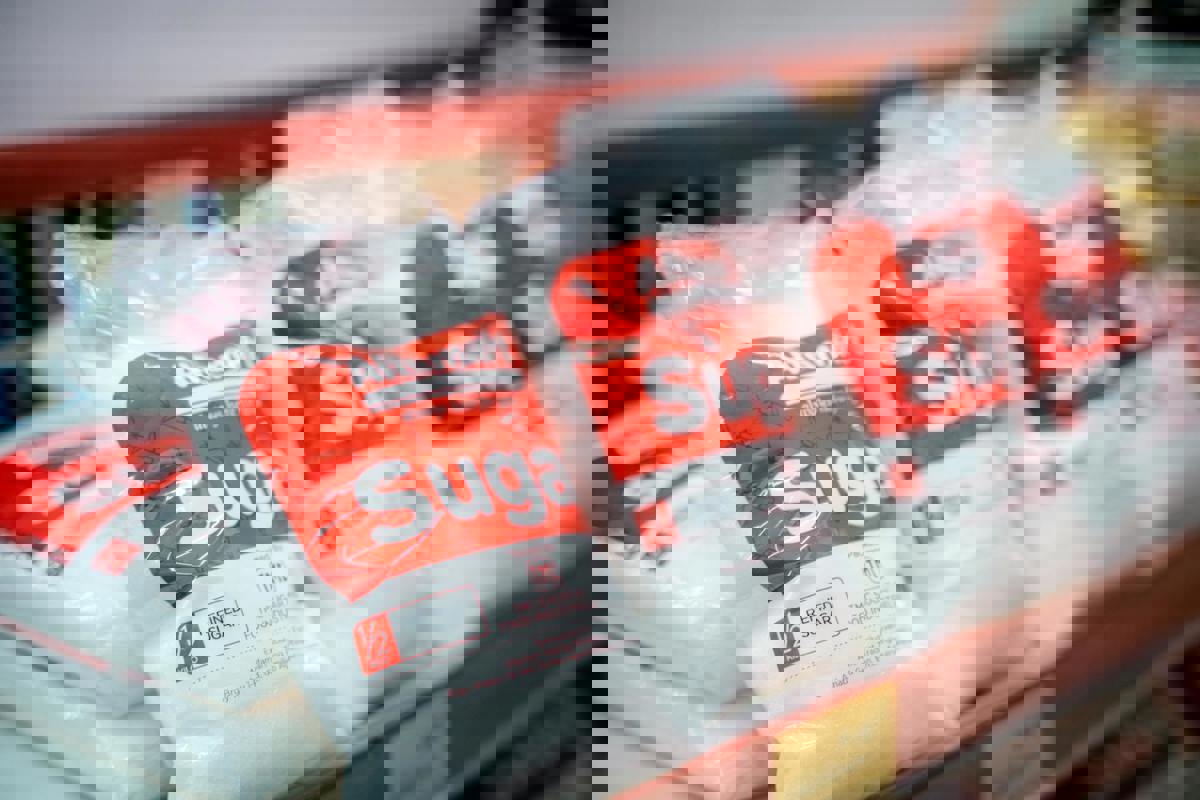
More than ever before, Canadian consumers are turning their attention to how the products they buy are packaged. Driven by growing concerns about the environment and a desire to reduce waste, shoppers are scrutinizing the materials and sustainability claims associated with everyday purchases. As a result, major retailers across Canada are rethinking their packaging strategies in an effort to meet new consumer expectations and remain relevant in a shifting marketplace.
Retail executives have noted a significant uptick in customer feedback regarding packaging choices in recent years. According to a 2023 Ipsos Retail Monitor report, 68 percent of Canadian shoppers say sustainable packaging influences their purchasing decisions. This trend is pushing retailers to move beyond minimal efforts, demanding a full-scale overhaul of how products appear on shelves and how their life cycle impacts the environment.
In response to this growing demand, leading chains such as Walmart Canada and Loblaw have introduced a suite of new packaging initiatives. These efforts include phasing out single-use plastics, introducing compostable bags, and setting long-term targets for plastic reduction. “Canadians expect more from the companies they trust,” said Emma Hyde, sustainability manager at Loblaw. “We are reinventing packaging not just for compliance, but because shoppers are asking for it.”
Packaging manufacturers are also under pressure to innovate. Many are experimenting with materials sourced from renewable resources, including biodegradable plastics, molded paper pulp, and plant-based films. This move toward alternative materials is not only aimed at appeasing eco-minded consumers, but also at complying with increasingly strict regulations on packaging waste set by federal and provincial governments.
Government action is accelerating industry changes. In 2022, Canada announced a plan to ban a range of single-use plastics, prompting retailers to preemptively redesign their packaging lines. These regulations include bans on plastic checkout bags, cutlery, and certain types of food packaging. As the transition unfolds nationwide, businesses are motivated to invest heavily in the research and development of greener alternatives.
Smaller businesses and boutique brands are also leveraging eco-friendly packaging to differentiate themselves in a competitive marketplace. Many startups are opting for minimal packaging, using recycled cardboard, reusable containers, or even eliminating packaging altogether. Their efforts are often highlighted in marketing campaigns, providing a competitive edge and appealing to environmentally conscious consumers under the age of 35, who often prioritize sustainability in their purchasing habits.
Despite the clear demand, challenges remain for businesses attempting to shift to more sustainable packaging solutions. Higher costs for renewable materials, a lack of mature supply chains, and concerns about the durability or shelf life of new materials pose significant barriers. For smaller retailers in particular, the price-point of eco-friendly packaging often squeezes already tight profit margins, forcing them to carefully balance environmental strategies with economic realities.
Consumers themselves play a central role in driving these changes. Advocacy organizations and social media campaigns have been effective in spreading awareness and holding retailers accountable. The Canadian environmental group, Environmental Defence, highlighted in a recent report that public pressure is a decisive factor in pushing companies to innovate. “Ultimately, shoppers have the power,” said group spokesperson Mark Campbell, citing boycotts and viral posts as key motivators for rapid change.
Retailers are also collaborating with suppliers and recycling organizations to improve packaging life cycles. Partnerships between businesses and non-profit organizations, such as the Circular Innovation Council, help retailers develop recycling programs and optimize their product designs for end-of-life recyclability. These efforts are crucial in ensuring that packaging can be collected, sorted, and repurposed, rather than ending up in landfills or waterways.
Major consumer brands are seeking certification and using eco-labels to build trust and provide transparency to shoppers. Labels such as FSC (Forest Stewardship Council) and the How2Recycle program have become more prominent on Canadian shelves. These certifications assure customers that packaging materials have met rigorous environmental standards, and they offer peace of mind at the point of purchase.
Even with robust efforts underway, industry experts caution that more work lies ahead to create truly circular packaging systems. According to Dr. Sarah Peters, a materials scientist at the University of British Columbia, “The transition to sustainable packaging is a journey, not a destination. Success requires investment, innovation, and coordination at every level of the supply chain, as well as ongoing consumer education.”
Digital platforms and e-commerce retailers also face new scrutiny for packaging waste, especially as online shopping grows in popularity. Oversized boxes and excessive packaging materials have drawn consumer criticism, compelling companies like Amazon Canada to pilot more efficient delivery packaging and invest in mailers made from recycled content. These measures are necessary to reduce the environmental footprint of the ever-expanding online retail sector.
For the Canadian retail industry, adapting to the demand for eco-friendly packaging is not merely a public relations exercise—it represents a core business imperative. The success stories emerging in this space point to broader lessons in agility, collaboration, and the ability to listen closely to evolving customer values. As consumers continue to advocate for greener options, the pressure remains on retailers to deliver meaningful, lasting change throughout their supply chains and corporate strategies. The packaging revolution, it seems, has only just begun for retailers in Canada.