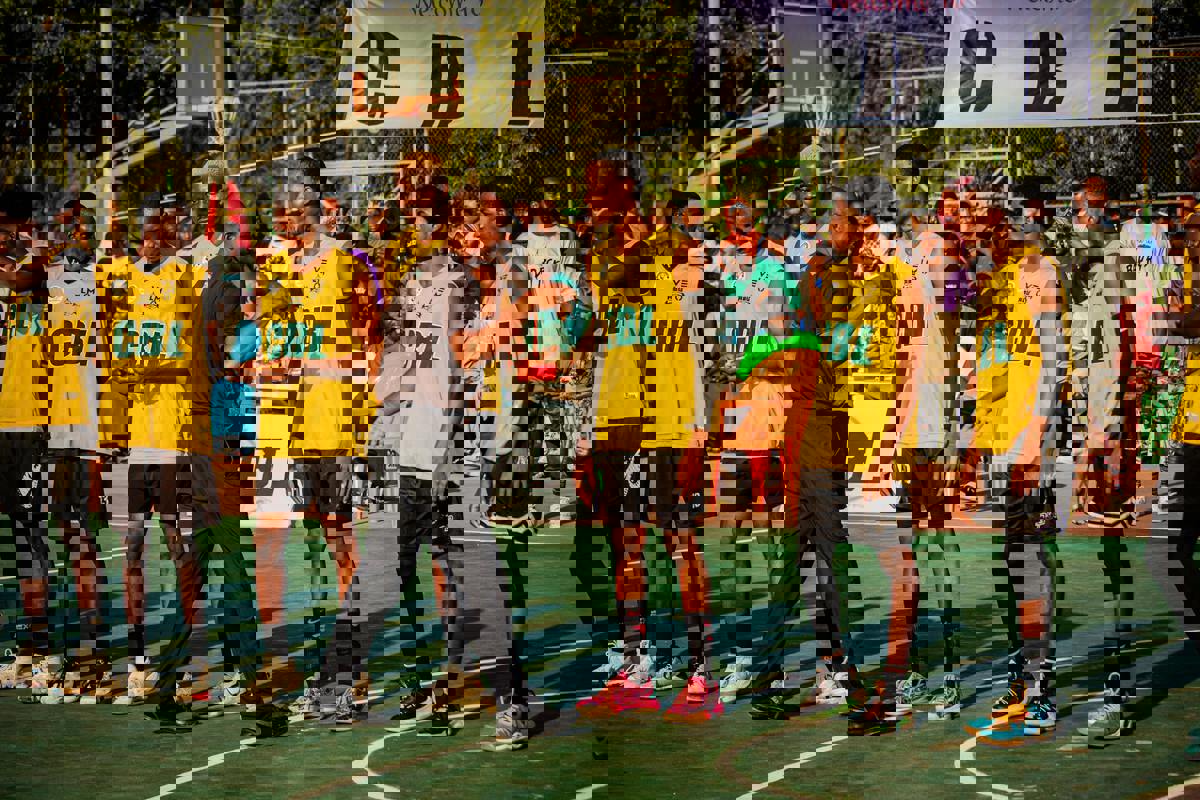
High school basketball programs are experiencing a surge of innovation with the introduction of new training initiatives aimed at nurturing young talent and improving overall team performance. Across various school districts, administrators and coaches are collaborating to implement cutting-edge techniques and holistic athlete development models. These changes come in response to increased demand for higher skill levels and greater competitiveness among student-athletes vying for provincial and national recognition.
Recent months have seen a notable increase in funding allocated specifically for basketball program development, with many schools allocating resources to specialized coaching staff and state-of-the-art training equipment. The infusion of funds is allowing programs to offer more sophisticated conditioning regimens, inclusive of strength training, agility drills, and personalized fitness assessments. According to a report by the Canadian School Sports Association, funding for high school basketball has increased by nearly 15% year-over-year.
One of the standout features of these new initiatives is the integration of sports science into daily practice routines. High schools are now investing in wearable technology and video analysis software to track player performance, monitor progress, and minimize injuries. "We can now tailor practices based on data, ensuring players are working effectively without risking burnout," said Jordan McGrath, head coach at a leading secondary school. "It's a game-changer for our athletes."
Additionally, nutrition and mental wellness have taken center stage in these revamped basketball programs. Teams are working closely with nutritionists and sports psychologists to ensure student-athletes maintain optimal health and mindset throughout the demanding season. Workshops on stress management, focus, and recovery techniques are becoming regular features in the weekly schedule, offering a comprehensive approach to athlete well-being.
Parent and community involvement has also played a pivotal role in driving these developments. Booster clubs, local businesses, and alumni associations have increasingly contributed donations and volunteered time to support the new initiatives. This backing has helped schools hire reputable trainers from outside the immediate school system, including former collegiate and professional players, who bring a wealth of knowledge and experience to the programs.
The effects of these initiatives are already becoming visible on the court. Coaches report improved teamwork, higher basketball IQ, and notable physical development among their players. In several cases, high school teams that previously struggled have dramatically improved their win records, leading to increased attendance and media attention at games. "Our program's transformation is attracting scouts in ways we've never seen before," remarked Coach Lila Beauregard of a regional high school.
Students themselves have expressed enthusiasm about the enhanced training structures. "Practices are more challenging but also more rewarding," said Marcus Li, a Grade 11 point guard. "We feel like we're being prepared not just for the next game, but for opportunities beyond high school basketball, whether it's college scholarships or provincial teams." Many players have credited the well-rounded approach for their recent improvements and newfound confidence.
Recruitment networks are also evolving in tandem with these new initiatives. High school coaches are partnering more closely with collegiate recruiters and club teams, creating pathways for standout athletes to showcase their abilities on bigger stages. Online platforms are used to share highlight reels and statistical achievements, which helps athletes gain visibility beyond their immediate circles and opens the door to further athletic and academic opportunities.
Experts agree that these training improvements are fostering a more inclusive environment. While elite athletes continue to thrive, the comprehensive nature of the programs means players at all skill levels receive support to develop. "It's about elevating everyone," explained athletic director Simone Ouellet. "Our aim is to create positive experiences and lifelong skills. Even students not pursuing basketball long-term benefit from learning discipline, teamwork, and resilience."
Looking ahead, educators and sports professionals see these advancements as a blueprint for future growth in other high school sports programs. As basketball training becomes increasingly sophisticated and inclusive, the hope is that the model inspires similar strategies in soccer, volleyball, and other activities. “If we invest in our youth through sports, the benefits extend far beyond the gym,” concluded Ouellet, emphasizing the transformative potential of well-structured athletic initiatives.