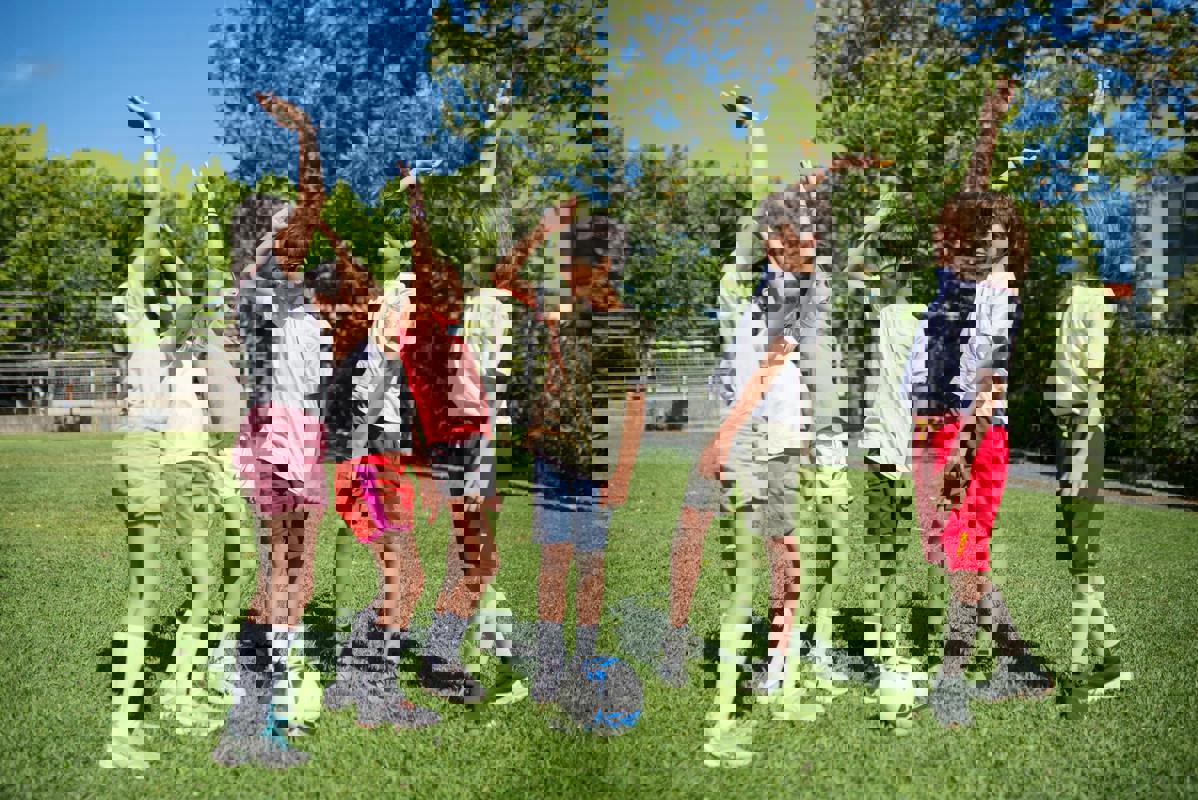
Across Canada, community soccer leagues are playing a crucial role in fostering inclusion and integration for newcomer youth. As immigrants and refugees continue to arrive, many bring with them a passion for soccer—a sport celebrated globally and familiar to children from a wide range of backgrounds. Community organizers are increasingly leveraging this enthusiasm, using the universal language of sport to create welcoming environments that help youth navigate the challenges of adapting to a new country.
For many newcomer families, the adjustment to life in Canada can be daunting, filled with language barriers, cultural differences, and social isolation. Community soccer leagues offer a unique avenue for youth to make friends, build confidence, and find a sense of belonging. According to the Canadian Association for the Advancement of Women and Sport and Physical Activity, physical activity programs like these can significantly boost self-esteem and social connections among children and teens.
Sabiha Ali, whose family immigrated to Canada from Syria, recalls how joining her local soccer team was a turning point for her ten-year-old son. “He didn’t speak much English at first, but on the field, it felt like everyone understood him,” Ali explained. “Soccer gave him joy, and helped him make friends he still talks to every day.” Such testimonials are not uncommon among parents of newcomer youth participating in these leagues.
Organizers and coaches within these leagues are often trained in cultural sensitivity, ensuring that practices and matches are accessible to all. This includes providing multilingual coaches, organizing transportation for families without cars, and supplying equipment to children who might not otherwise afford it. These supports break down practical barriers and invite participation from families who might feel excluded from more traditional programming.
Statistics underline the impact of these initiatives. A 2022 report from the Institute for Canadian Citizenship found that over 60% of newcomer youth who participated in community sports reported feeling more connected to their local community. These leagues also tend to be more inclusive in terms of gender and ability, welcoming girls and children with different skill levels to join without fear of exclusion or judgment.
The benefits extend beyond the social. Participation in organized sports contributes to physical health and wellness, which is particularly valuable given that newcomer children may face elevated risks of inactivity due to unfamiliarity with local recreation systems. Coaches stress the importance of engaging newcomer youth early, as healthy physical habits established in childhood often carry into adulthood, fostering a lifelong love for activity.
Additionally, soccer is serving as a platform for cross-cultural education and understanding. Leagues frequently celebrate multiculturalism through potluck events, traditional music, and recognition of diverse holidays. These gatherings not only reinforce a sense of inclusivity for newcomer families but also educate non-immigrant participants about the rich cultural tapestry that their teammates bring to the game.
Partnerships with local government agencies and non-profit organizations have amplified the reach of community soccer programs dedicated to newcomers. Grants and sponsorships from municipal recreation departments, the YMCA, and settlement agencies help keep registration fees affordable or even free, ensuring economic circumstances aren’t a barrier to participation. Such collaborations underscore the broader societal commitment to fostering integration through sport.
Another valuable outcome is the development of leadership and communication skills among newcomer youth. As players advance, many are encouraged to become peer mentors or assistant coaches for younger age groups. Fatima Mohamed, a youth coach in a Greater Toronto Area league, observed, “When newcomers progress into coaching roles, it builds their confidence and gives them a powerful voice within their community.”
Looking ahead, community soccer leagues continue to adapt their offerings as Canada welcomes newcomers from diverse regions. League officials are exploring new models, such as mixed-age teams and language-support programs, to further reduce barriers and increase participation. The enduring popularity of soccer, coupled with a strong framework of support and inclusiveness, promises to keep these leagues at the heart of newcomer youth integration for years to come.