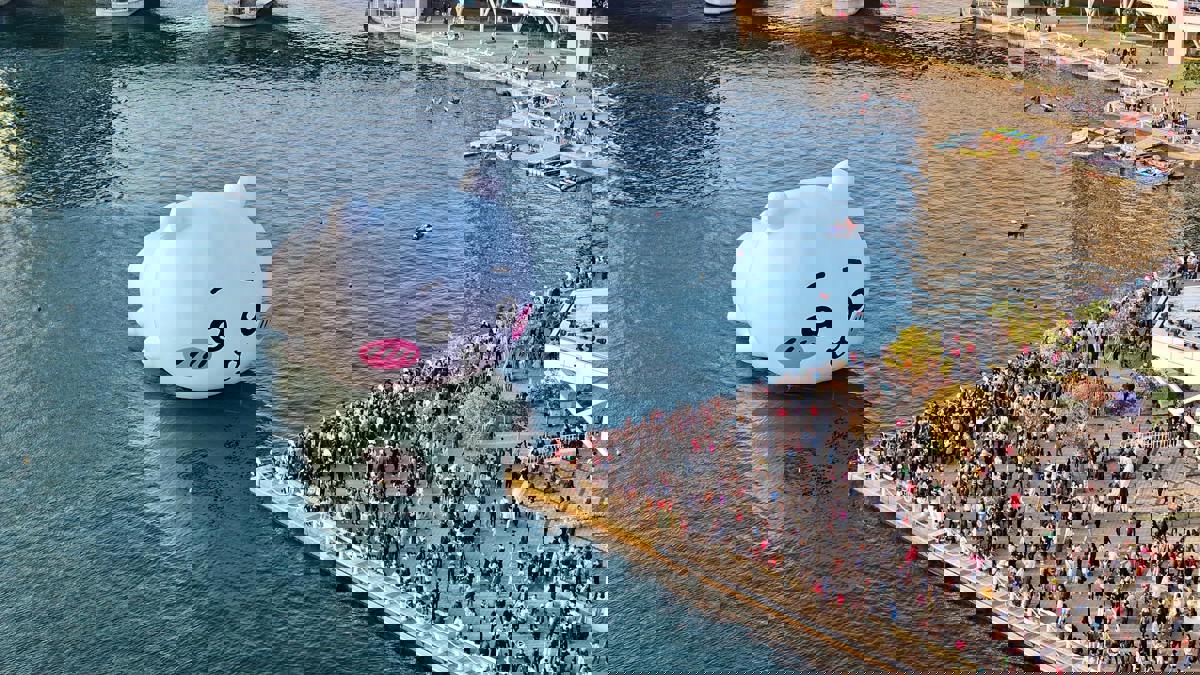
Drawing thousands of visitors from across the region, the annual art festival made its grand return this weekend, welcoming a record number of attendees. Organizers estimate that more than 50,000 people flocked to the event, seeking fresh experiences amidst an impressive array of installations. The unprecedented turnout speaks to the growing appetite for innovative, participatory art experiences and the festival’s rising prominence in the cultural calendar.
This year’s theme, “Art in Motion,” was brought to life by over 70 artists who transformed public spaces with interactive and immersive installations. From larger-than-life sculptures that responded to touch to digital projections that changed with audience movement, the festival offered visitors a chance to become active participants in the artistic process. Curator Lina Ahmed said, “We wanted to break down the boundaries between creators and audience, inviting everyone to contribute to the evolving artwork.”
One of the festival’s most popular attractions was a kinetic mural that allowed guests to add their own brush strokes using motion-tracking technology. Families queued for the opportunity to paint with nothing more than a wave of the hand, marveling as their colors splashed across a massive digital canvas. Event volunteer Jessie Liu remarked, “You could see the wonder on people’s faces when their gestures became part of the artwork.”
Another highlight was an augmented reality scavenger hunt, where visitors used their smartphones to uncover hidden layers within various art pieces. Participants who completed the hunt received digital badges, adding a playful competitive element to the proceedings. This innovative use of technology not only engaged younger audiences but also demonstrated how art and technology can seamlessly intersect to create new experiences.
Aside from the technologically driven installations, the festival showcased more traditional forms of participatory art, such as communal mosaics and collaborative sculptures made from recycled materials. These projects emphasized sustainability while encouraging attendees to reflect on environmental themes. Local artist Samiya Patel, whose mosaic was constructed from glass bottle shards, explained, “It’s about showing how beauty can emerge from things we throw away.”
The event also provided a platform for emerging local talent, with a dedicated space for student installations. University and high school students presented pieces that addressed social themes ranging from mental health to community identity. Many visitors took time to engage with the young artists, offering feedback and encouragement. Festival director Marco Bertolini commented, “Our youth showcase is a crucial part of our mission to nurture the next generation of creators.”
Workshops formed a significant aspect of the festival, inviting guests of all ages to try their hand at everything from pottery to printmaking. Sessions were often fully booked, as people were eager to learn new skills and create their own take-home pieces. “We want visitors to feel like artists themselves,” said craft instructor Chloe Reid. “The hands-on aspect makes the festival much more memorable.”
Attendees were also treated to live performances throughout the weekend, including improv painting battles, contemporary dance, and experimental sound art. These performances often spilled out into the crowd, further dissolving the line between artist and audience. Festival-goer Rajiv Malhotra shared, “You never knew what to expect next, and that sense of spontaneity kept us engaged all day.”
The festival made a conscious effort to be accessible, offering free admission and ensuring all installations were wheelchair-friendly. Sign language interpreters were present during guided tours, and sensory-friendly hours were set aside for visitors with sensitivities. These initiatives were widely praised by attendees and advocates alike, reinforcing the festival’s commitment to inclusivity.
Food and drink vendors at the event also reflected the creativity of the festival. Culinary artists crafted edible installations, and several food trucks offered themed dishes inspired by famous works of art. This imaginative approach to refreshments contributed to the festival’s vibrant atmosphere and gave visitors yet another facet of creativity to explore.
Sustainability remained a top priority. Organizers established multiple recycling and composting stations, and artists were encouraged to use eco-friendly materials. The festival also partnered with local environmental groups to provide educational resources on reducing waste. According to sustainability coordinator Melanie Green, “Our goal is to not only celebrate art but also foster environmental responsibility among attendees.”
Feedback from both artists and visitors was overwhelmingly positive, with many lauding the festival’s diversity of installations and interactive approach. Online reviews mentioned the sense of community fostered by shared creative experiences. Regular attendee Sarah Johnston noted, "Every year, the festival surprises me, and this time, the interactive pieces made it extra special. People left feeling inspired.”
In the wake of its record-breaking success, organizers are already planning for next year’s event, with hopes to expand both the number of installations and the range of participatory activities. They are calling on local artists and community members to submit proposals, aiming to push the boundaries of interactive art even further. As the festival continues to grow, it is poised to remain a much-anticipated highlight for artists and audiences alike, fostering creativity and connection in new and exciting ways.