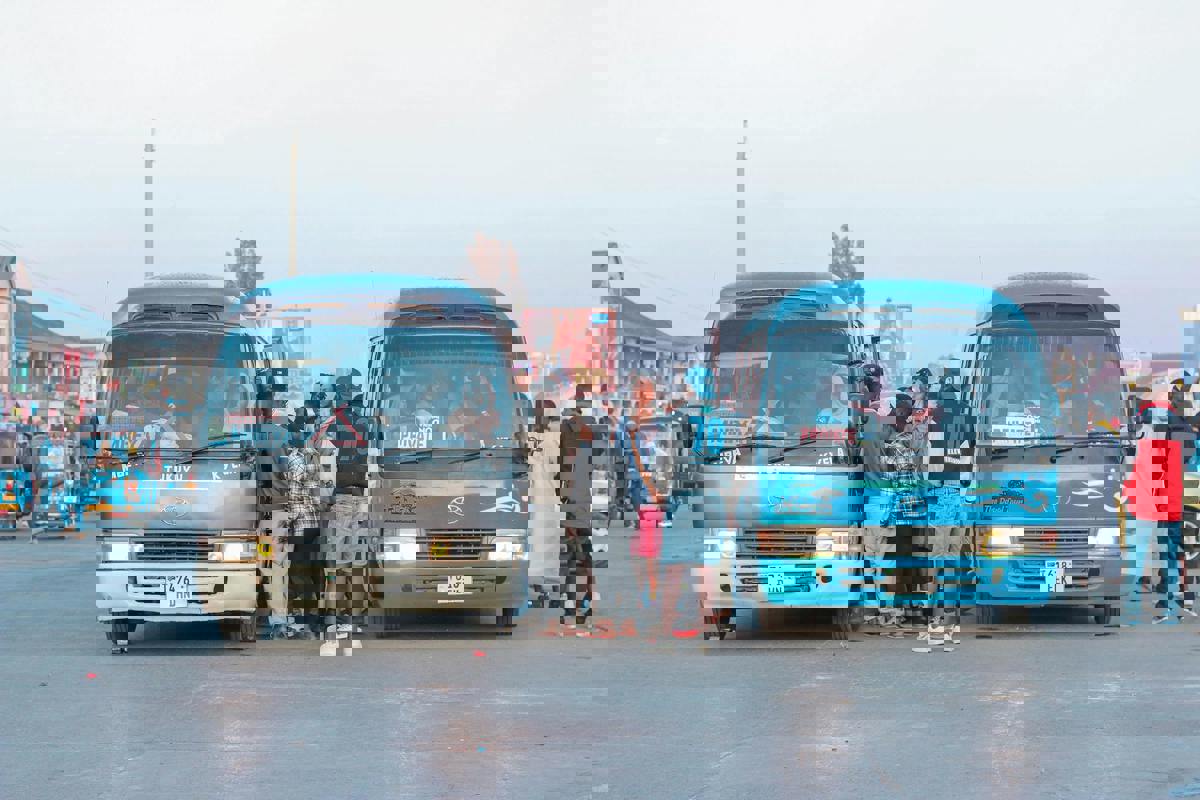
Public transit riders across the city are reporting noticeably improved service following the implementation of a significant schedule overhaul. As the revised timetables took effect this week, commuters have observed shorter wait times at bus stops and subway stations during both peak and off-peak hours. This major adjustment, spearheaded by the city’s transportation authorities, seeks to address long-standing concerns over unreliable service and prolonged delays that many users have faced.
The overhaul is the result of months of analysis and public consultations, during which transit officials gathered feedback from thousands of daily riders. According to Maria Thompson, spokesperson for the transit authority, "Our goal was to create a system that better reflects actual usage patterns and provides more efficient connections, especially during busy times." The new schedules place emphasis on high-demand routes and improved synchronization between buses, streetcars, and trains.
Early data indicate that average wait times on several main lines have dropped by as much as 25 percent since the changes were implemented. For example, buses on one of the busiest routes now arrive every six minutes during the morning rush, compared to previous intervals of nine to twelve minutes. Many users who once had to budget extra time for lengthy waits now find their commutes more predictable and less stressful.
Improved connections between different transit modes are also a key part of the overhaul. Planners re-examined transfer points, paying close attention to known bottlenecks where riders often missed connections by a matter of minutes. By staggering departure and arrival times, the authority hopes to minimize missed connections and make journeys smoother. "It used to feel like I was always one minute too late for my transfer," commented regular commuter Allan Greene. "Now the timing just works better."
The changes come at a crucial moment, as transit ridership steadily rebounds from the lows of the pandemic era. City officials have stated that boosting the reliability and appeal of public transit is vital not just for daily commuters, but also for encouraging more residents to adopt sustainable transportation options. This, they argue, will have positive impacts on local traffic congestion and the city’s broader climate goals.
Of course, no transition comes without initial hiccups. Some riders in outlying areas have expressed concern that frequency improvements are not as noticeable on less busy routes. The transit authority acknowledges this feedback and emphasizes that ongoing review and adjustment remain central to their approach. "We are closely monitoring ridership levels," Thompson added, "and we’re prepared to make fine-tuning in response to evolving travel patterns."
Advocacy groups generally welcome the overhaul, seeing it as a step toward a more user-friendly transit network. However, they continue to push for transparent communication and regular updates about future adjustments. According to the city’s Transit Riders Association, "It’s important that riders not only benefit from the changes but also stay informed about ongoing improvements and any new challenges that arise." The group urges continued investment to maintain the momentum.
Looking ahead, transportation planners have signaled that this schedule overhaul is just the beginning of broader modernization efforts. There are ongoing talks about introducing real-time tracking capabilities, expanding service coverage, and further improving accessibility throughout the system. For now, the consensus among many riders is that the more responsive and coordinated service marks a significant step forward for public transit in the city, setting a positive precedent for future developments.